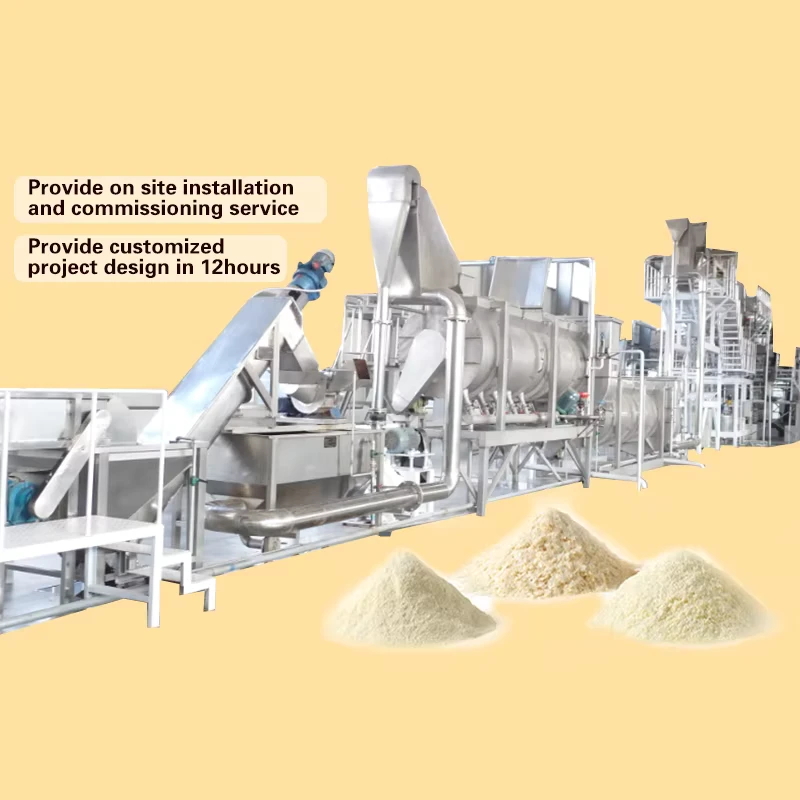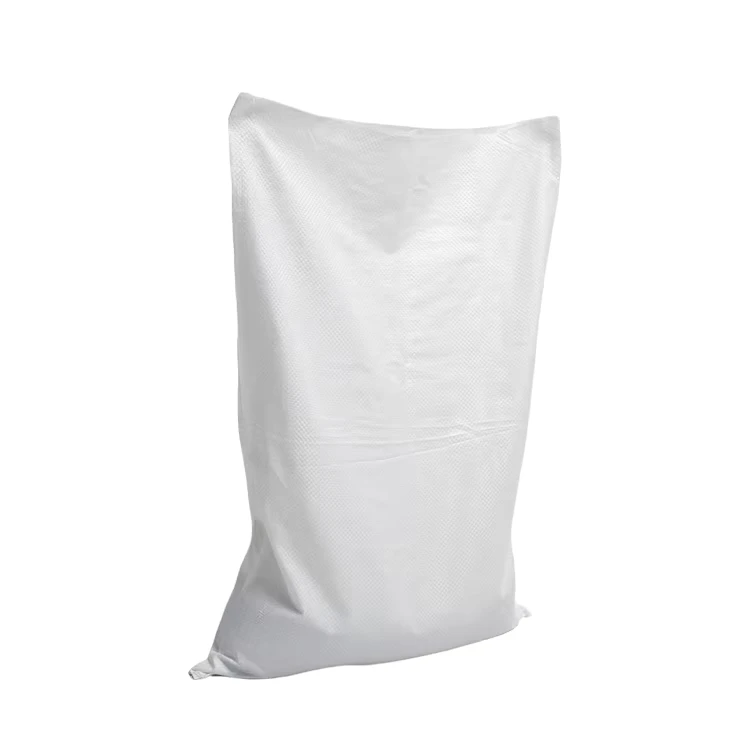

Compare PP woven sack formats, closures, capacities, and printing options for grain, flour, logistics, and industrial bulk packaging.
Bulk packaging decisions affect filling speed, storage, transport, and product presentation. For importers and distributors sourcing PP woven sacks, the right choice depends on more than nominal capacity. Weave density, dimensions, closure type, breathability, printing, and intended contents should all be confirmed before ordering.
Match the sack design to the application
A 50 kg woven bag offers a semi-transparent white design with customizable size, color, and logo options. Made from polypropylene and designed for heat sealing, it is positioned for materials such as sesame,flour, rice, cement, and other logistics applications. The semi-transparent construction may also make basic visual inspection easier during handling.
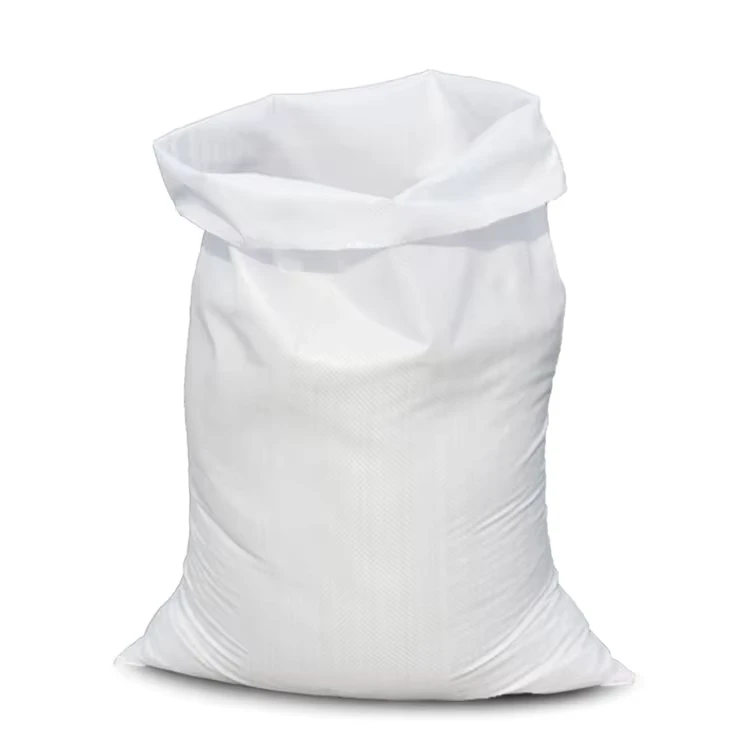
Where airflow and resistance to rough handling are priorities, the breathable woven sack provides a practical alternative. Its durable PP structure is intended for bulk grain, sand, and construction waste. Buyers should specify the required dimensions, target load, fabric weight, seam construction, and ventilation level according to the packed material.
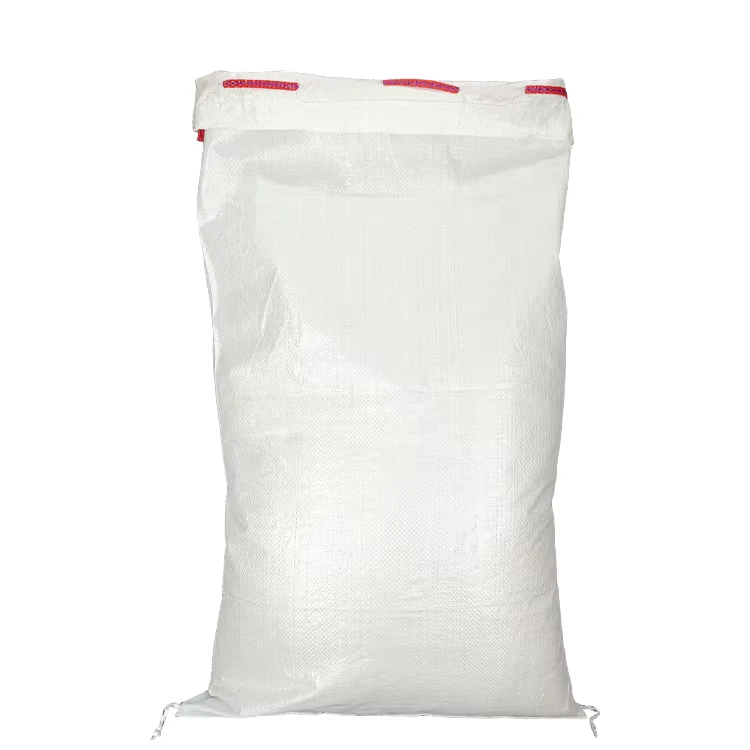
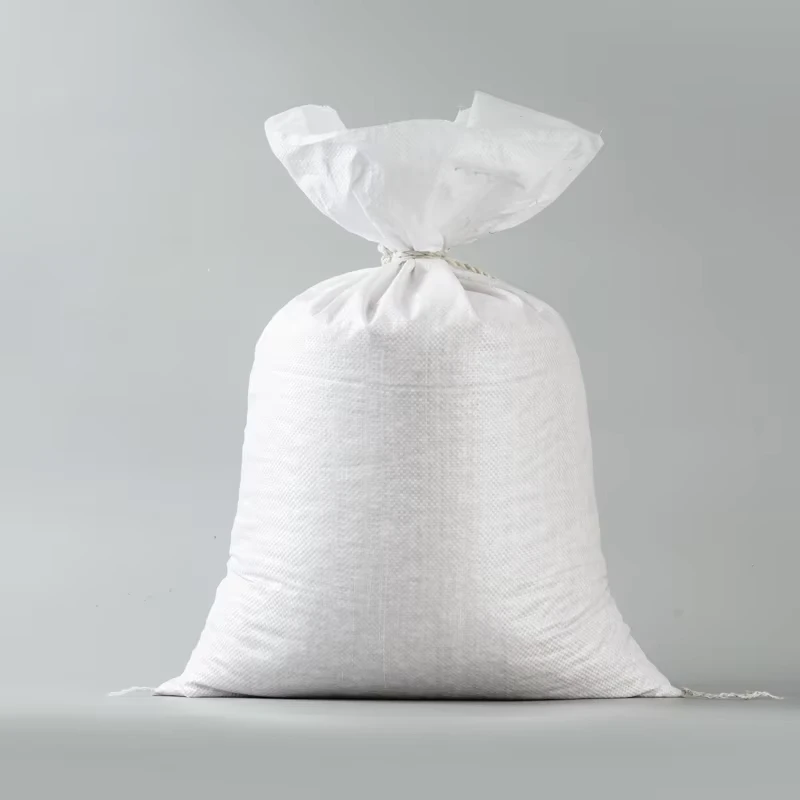
For operations requiring flexible closure and several capacity choices,drawstring PP sacks are available in 25 kg, 50 kg, and 100 kg formats. Custom sizing, colors, and one-to-four-color offset printing support private-label and wholesale programs. The listed minimum order is 100,000 pieces, with standard packing of 1,000 pieces per bale.
Prepare a clear purchasing specification
Before requesting a quotation, provide the packed product, bag capacity, exact dimensions, closure method, printing artwork, order volume, and destination market. For food-related use, also request confirmation of applicable material and food-contact requirements. Samples and load tests can help verify performance before mass production.
Whether you need a standardized bulk sack or a customized packaging program, send your specifications and expected quantities to discuss pricing, production details, and export supply options.